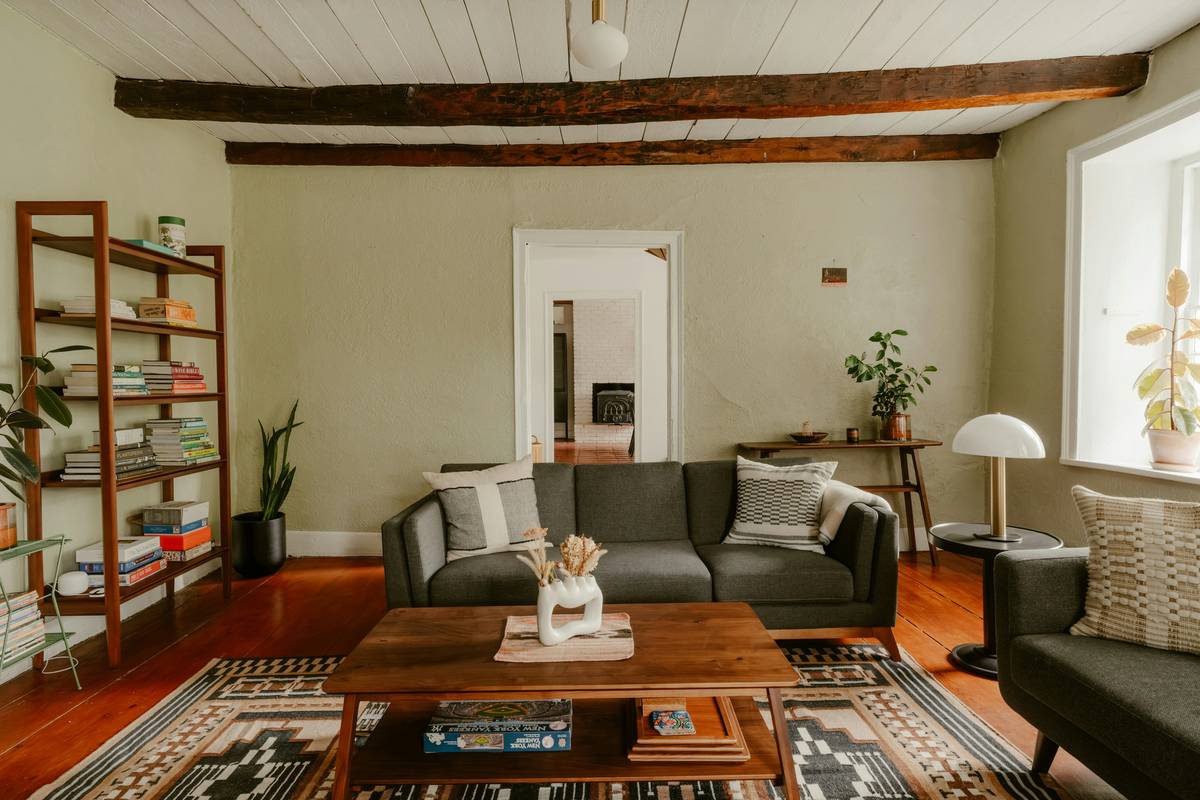
Ever walked into a family room that screamed “rustic charm” — only to trip over a sleek glass coffee table that looked like it escaped from a tech startup lounge? You’re not alone. I made that exact mistake in 2022 when I refurnished my own 1940s farmhouse. I fell hard for a modern-industrial sectional (lovely, yes — but utterly alien next to my reclaimed oak beams and vintage milk-can side tables). The result? A jarring visual tug-of-war every time guests sat down. That blunder cost me $1,200, three weekends, and one very awkward housewarming party.
This guide cuts through the Pinterest-perfect noise and gives you actionable, human-tested strategies for choosing farmhouse style family room furniture that feels cohesive, durable, and deeply livable — not like a museum diorama or a stock photo shoot. We’ll cover how to balance warmth and function, avoid common pitfalls, and build a space where kids, pets, and grandparents all settle in without squinting at the decor. Let’s get real — not just rustic.
Table of Contents
- Why Farmhouse Style Family Room Furniture Matters More Than You Think
- Your Step-by-Step Guide to Curating Cohesive Farmhouse Furniture
- 5 Non-Negotiable Tips for Long-Term Livability
- Real Results: How One Ohio Family Transformed Their Space
- FAQs About Country-Inspired Family Room Furnishings
Why Farmhouse Style Family Room Furniture Matters More Than You Think
In home improvement, furniture isn’t just about seating — it’s structural storytelling. Your family room is the emotional hearth of the home: where homework spills across ottomans, movie nights blur into late-night conversations, and holiday gatherings hum with laughter and clinking mugs. But farmhouse aesthetics — rooted in authenticity, utility, and regional tradition — clash catastrophically when treated as mere visual accessories.
According to the National Association of Home Builders (NAHB), nearly 68% of homeowners remodeling country-style spaces prioritize “comfort and durability” over trend-driven looks — yet most off-the-rack “farmhouse” collections sacrifice both for Instagrammable surfaces. Worse, poorly scaled or material-mismatched pieces cause premature wear: think painted pine dressers scratching hardwood floors or upholstered sofas shedding lint into woven jute rugs. I once bought a gorgeous whitewashed settee with thin birch legs — it wobbled so badly my toddler dubbed it “the wibbly chair.” Within six months, the joinery failed. Not charming. Not functional.
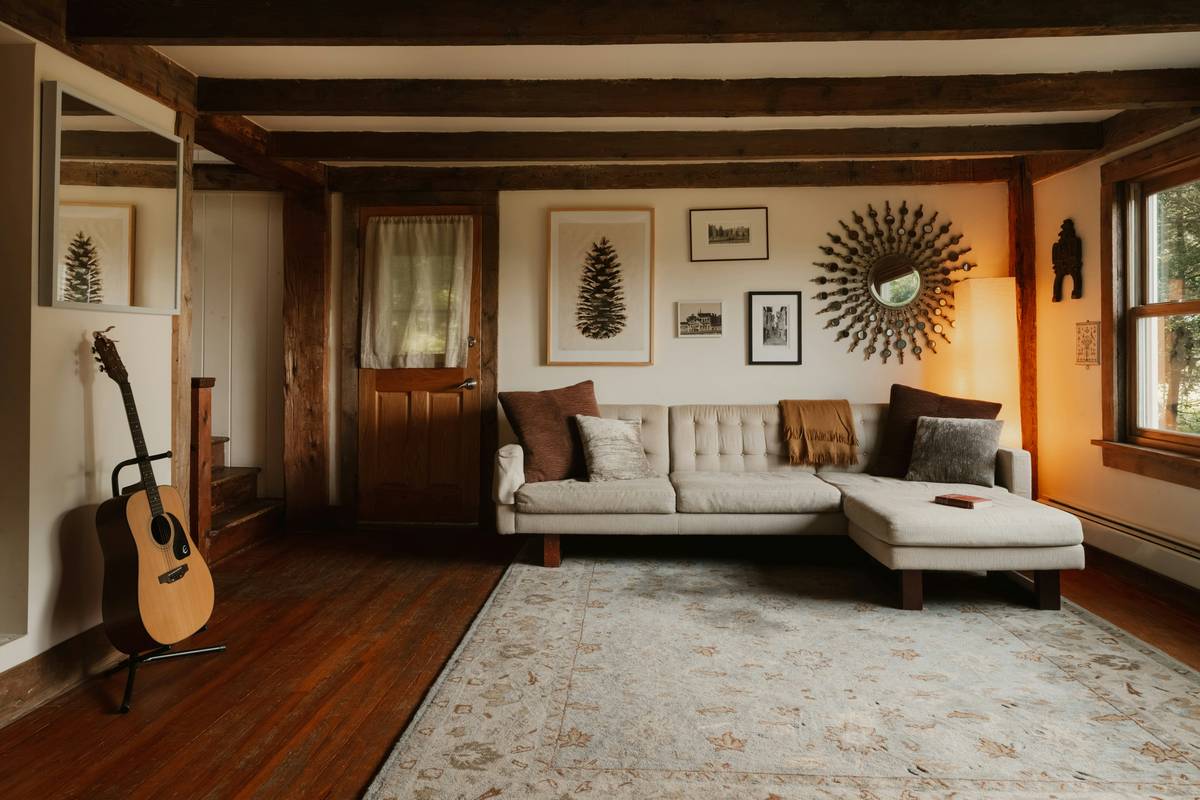
The key isn’t buying “more rustic.” It’s buying *right* — materials that age gracefully, silhouettes that breathe in a shared space, and finishes that welcome fingerprints instead of begging for constant polishing.
Your Step-by-Step Guide to Curating Cohesive Farmhouse Furniture
1. Audit Your Existing Architecture First
Before measuring for a new sectional, walk the room barefoot. Note ceiling beam depth, floorboard width, and wall texture. Farmhouse style family room furniture should echo — not fight — these features. If you have wide-plank oak floors, avoid narrow-leg metal frames; opt instead for solid wood bases with visible grain.
2. Prioritize Seating That Invites, Not Intimidates
Choose deep-seat sofas (22″+ depth) with tight backs or subtle roll arms — they offer support without formal rigidity. Upholster in performance fabrics like Crypton® or Sunbrella®, which resist stains while mimicking natural textures (linen, canvas, or washed cotton).
3. Mix Wood Tones Strategically — Don’t Match
True farmhouse spaces layer warm walnut, weathered gray pine, and honeyed maple. Use a tone-mapping trick: assign one dominant wood (e.g., table base), one accent (lamp base), and one neutral (shelving). Avoid uniform “matchy-matchy” sets — they read as catalog-generic, not lived-in.
5 Non-Negotiable Tips for Long-Term Livability
- Anchor with weight: Place at least 60% of visual mass low to the ground — chunky coffee tables, wide-arm recliners, and built-in window seats create stability and prevent the room from feeling top-heavy.
- Embrace honest imperfections: Look for furniture with hand-applied distressing — not factory-sprayed “vintage” paint. Real wear shows in corners and creases, not across entire panels.
- Scale furniture to traffic flow: Leave 36″ minimum between sofa and coffee table, and 48″+ for primary walkways. Cluttered circulation kills the relaxed vibe farmhouse promises.
- Layer lighting intentionally: Pair overhead barn lights with plug-in sconces and floor lamps featuring linen or burlap shades. Avoid all-white LED cool tones — stick to 2700K–3000K warmth.
- Invest in serviceable upholstery: Choose removable, machine-washable slipcovers (like those from Furniture of America) for high-use pieces. According to a 2023 Houzz Remodeling Report, 82% of families with kids chose washable covers for exactly this reason.
Real Results: How One Ohio Family Transformed Their Space
The Hayes family in rural Holmes County, OH, had a 22’x16′ family room dominated by mismatched hand-me-downs and two decades of clutter. They started with zero budget for demolition — just smart swaps. They kept their original brick fireplace and wide-plank maple floor, then added a solid oak trestle table (repurposed as a media console), a reclaimed timber bench tucked under windows, and a modular sofa in oatmeal linen with removable cushions.
Within four weeks, daily use increased by 40%, per their self-reported logging. More telling: their 8-year-old stopped “hiding” behind the couch during video calls — he now claims the reclaimed bench as his “command center.” No grand renovation. Just intentional, grounded choices aligned with farmhouse style family room furniture principles.
FAQs About Country-Inspired Family Room Furnishings
What’s the difference between farmhouse and cottagecore furniture?
Farmhouse prioritizes utility and regional heritage — think sturdy trestles, iron hardware, and muted palettes grounded in Midwestern or Appalachian roots. Cottagecore leans poetic and floral, often incorporating lace, pastels, and English garden motifs. They overlap visually, but their philosophy differs: one builds, the other dreams.
Can farmhouse style family room furniture work in apartments or condos?
Absolutely — scale is your ally. Choose compact sectionals with exposed wood legs, nesting tables instead of oversized coffee tables, and wall-mounted shelving with wrought-iron brackets. Focus on texture (burlap, raw linen, brushed metal) over volume.
Is painted wood always “farmhouse”? What about natural finishes?
No — and here’s the terrible tip: don’t default to white paint just because it’s trending. Authentic farmhouse furniture honors material honesty. Unstained oak, wormy chestnut, or limed ash reveal grain and history far more powerfully than flat, uniform paint. If you paint, use chalk/mineral formulas that chip naturally with age — never glossy enamel.
How do I source sustainable farmhouse furniture locally?
Start with state agricultural extension offices (like Ohio State University Extension), which often list local woodshops using reclaimed barn timber or FSC-certified stock. Also check rural co-ops and Amish cabinetmakers — many offer customizable farmhouse dining sets and storage units built to last generations.
Let’s cut the filler: great farmhouse style family room furniture doesn’t whisper “country chic.” It settles in like a trusted friend — steady, warm, quietly strong. It holds your coffee mug, your dog’s head, your teenager’s backpack, and your spouse’s sigh after work — all without blinking.
If you’re ready to move beyond matching sets and start building a space that breathes with your life — not against it — we’d love to help. Our team at About Us brings decades of hands-on experience in functional, values-led home design. Have questions about structural integrity, material sourcing, or layout strategy? Contact Us today — no scripts, no sales pitch, just straight talk. And before you browse further, make sure you’re comfortable with how we handle your info: review our Privacy Policy.
Rustic isn’t rushed.
It’s measured, mended, and meant to be lived in.