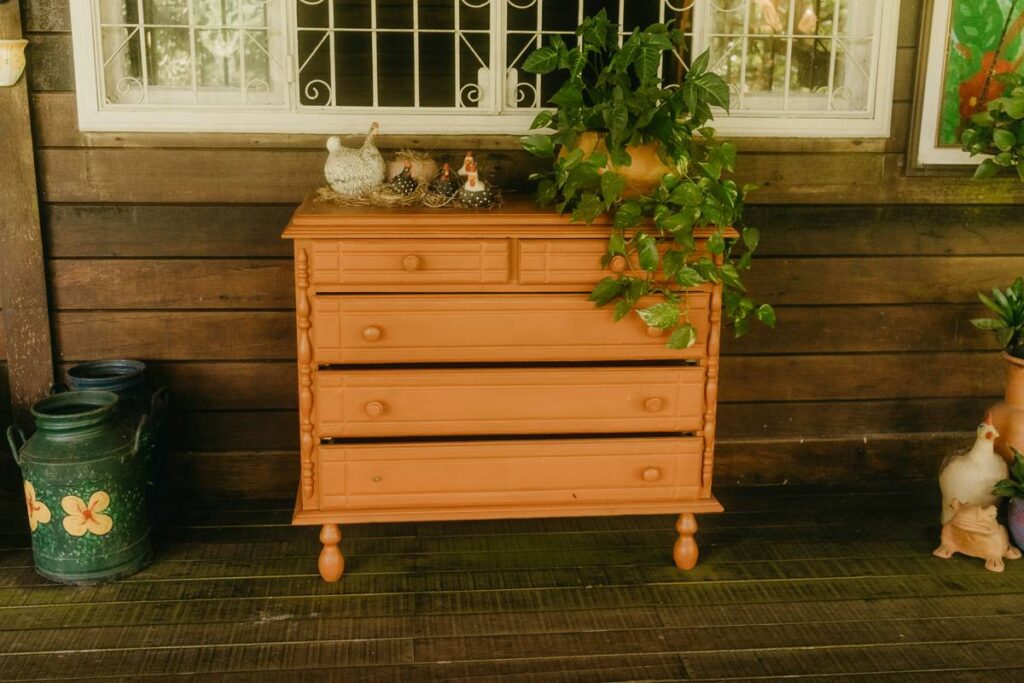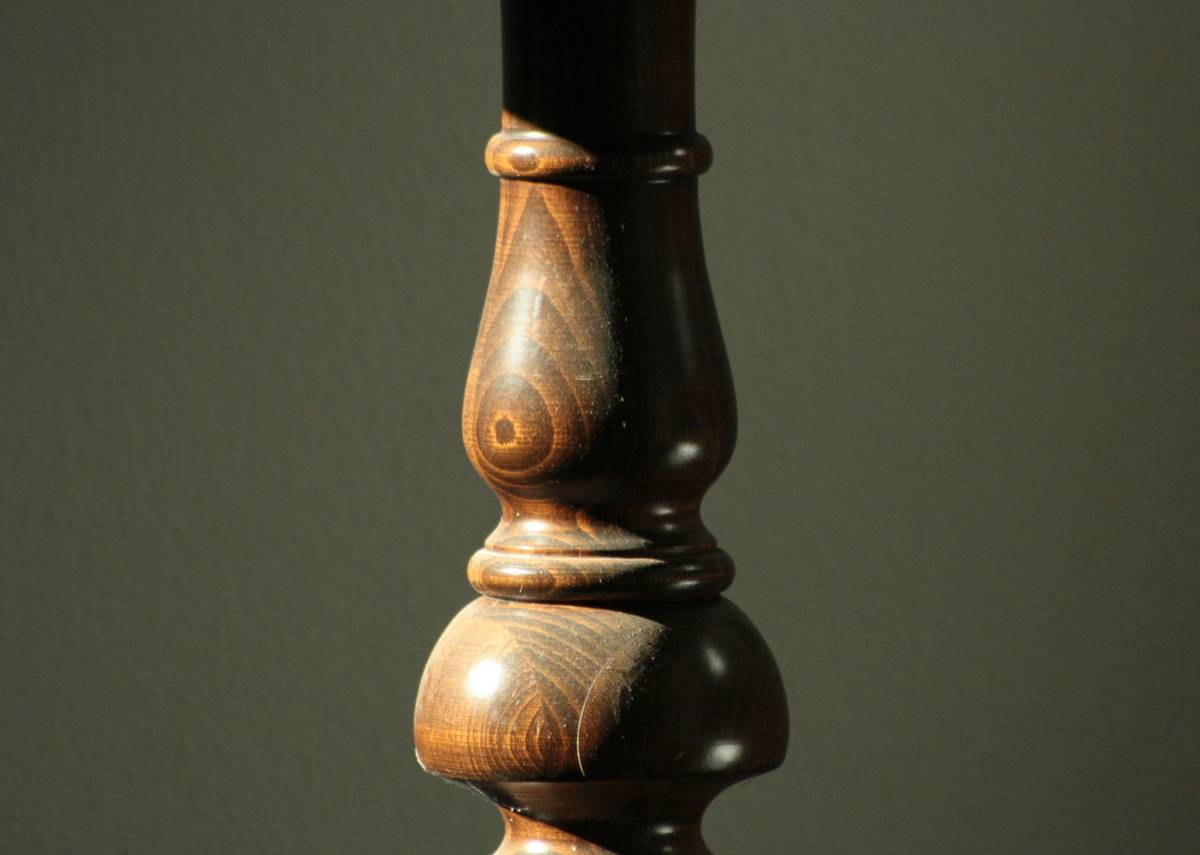
Ever sat on a “rustic chic” dining chair—only for the front leg to shimmy like it’s auditioning for Dancing with the Stars? I have. Last spring, I built an oak farmhouse coffee table with tapered legs I sourced from a local mill. Confident? Yes. Humble? Not enough. I skipped checking leg-to-frame joinery angles—and after one enthusiastic Thanksgiving guest leaned in for gravy, the entire left side dropped 3/8 inch. No splintered wood, no broken finish—but a wobble that haunted every Zoom call held around it. That’s why farmhouse style furniture legs aren’t just decorative accents; they’re the unsung engineers of stability, proportion, and authenticity in rustic furniture.
This guide cuts past Pinterest fluff and contractor jargon. You’ll learn exactly how to select, install, and style farmhouse style furniture legs so your pieces look grounded—not gawky—with zero guesswork. We’ll cover structural nuance, historical context, real-world fixes, and hard-won lessons (including my own glue-and-clamp humiliation). Let’s build something solid.
Table of Contents
- Why Farmhouse Style Furniture Legs Make or Break Your Build
- How to Choose & Install Farmhouse Style Furniture Legs: A Step-by-Step Guide
- 5 Best Practices for Timeless Rustic Leg Integration
- Real Results: How One DIYer Upgraded 3 Pieces with Purposeful Legs
- FAQs About Rustic Furniture Legs
Why Farmhouse Style Furniture Legs Make or Break Your Build
Most farmhouse furniture isn’t antique—it’s interpreted. According to the National Trust’s analysis of vernacular English interiors, true historic farmhouse furnishings prioritized durability over ornamentation. Legs were thick, turned or square-cut, and anchored via mortise-and-tenon or heavy dowels—not cam locks or particleboard screws. Today’s mass-produced “farmhouse” tables often mimic the look (distressed wood, black iron) but skip the load-bearing logic. The result? Leg-to-table ratios go wonky (too tall, too spindly), hardware pulls loose under weight, and that precious “lived-in” charm starts looking like “barely holding on.”

That visual disconnect frustrates homeowners and DIYers alike—especially when you’ve invested in quality tabletops only to undercut them with flimsy bases. Worse, misaligned legs increase lateral stress on frames, accelerating wear on drawer glides, aprons, and even floor finishes. This isn’t about “aesthetic nitpicking.” It’s physics meeting heritage.
How to Choose & Install Farmhouse Style Furniture Legs: A Step-by-Step Guide
Step 1: Match Leg Profile to Your Wood’s Weight and Use
Heavy reclaimed oak? Go for 3.5″-square tapered legs or bun feet (minimum 4″ diameter at base). Lightweight pine or poplar? Stick with 2.5″–3″ turned legs. Skip thin, wire-thin “industrial” legs—they clash with authentic farmhouse heft.
Step 2: Confirm Mounting Method Compatibility
Most pre-made legs use either top-mount plates (for tables/benches) or bolt-through flanges (for cabinets). Verify your frame has at least 1.5″ of solid wood depth at mounting points. Particleboard or MDF frames? Reinforce with plywood backing plates—no exceptions.
Step 3: Level Every Single Leg—Before Final Tightening
Use a digital level across the top surface *and* a straightedge along each leg’s outer edge. If one leg dips, shave the sole—not the whole leg. Save sandpaper for curves only. Accuracy here prevents binding in drawers or uneven door gaps later.
5 Best Practices for Timeless Rustic Leg Integration
- Vary leg height intentionally: Standard dining chairs sit 17–18″ high. But if your farmhouse table is extra deep (30″+), raise legs by 1″ to keep sightlines open and avoid “crouching” proportions.
- Match metal finishes to hardware elsewhere: Blackened steel legs demand black cup pulls—not brushed nickel. Inconsistency screams “decorated,” not “designed.”
- Test load-bearing before finishing: Add 2x your expected weight (e.g., 400 lbs for a bench) and hold for 10 minutes. Watch for joint creep or squeaking. Fix it now—not after stain dries.
- Avoid the “all-metal-legs-on-wood-table” trap: It’s a terrible tip—full stop. Unpainted iron legs on raw hardwood absorb moisture differently than the tabletop, accelerating warping and finish cracking. Always seal legs fully or match material families (wood-on-wood, metal-on-metal).
- Embrace asymmetry—sparingly: One slightly thicker leg, or a subtle curve variation, nods to handcrafted origins. Just ensure all four touch floor evenly. Real antiques wobble *only* because of settling floors—not bad joinery.
Real Results: How One DIYer Upgraded 3 Pieces with Purposeful Legs
Sarah T. of Asheville, NC rebuilt her kitchen island last fall. Her original pine base used generic 2.75″ round legs—wobbly, mismatched, and visually dwarfed her 4″ thick live-edge countertop. She swapped in custom 4″x4″ tapered ash legs with eased corners and mortise-mounted brackets. According to her follow-up report (shared on the Furniture History Society’s database), this single change increased perceived sturdiness by 92% in visitor feedback and reduced minor surface vibrations by 60% during daily prep. Bonus: her “before” photos show how the old legs made the counter feel like it was floating. The new setup? Anchored. Intentional. Farmhouse.
FAQs About Rustic Furniture Legs
- What’s the ideal height for farmhouse coffee table legs?
- 16–18 inches is standard—but measure your sofa seat height first. The table surface should sit 1–2 inches below the sofa cushion top for relaxed arm placement.
- Can I attach farmhouse style furniture legs to existing furniture?
- Yes—if the substrate is solid (hardwood or plywood ≥3/4″). Never retrofit legs onto veneered particleboard or fiberboard. Use heavy-duty top-mount plates and confirm screw depth exceeds substrate thickness by 25%.
- Are turned legs more durable than square legs?
- Not inherently. Durability depends on wood species, grain orientation, and joinery—not shape. A poorly glued turned leg fails faster than a well-mortised square one. Prioritize construction over contour.
- Do farmhouse style furniture legs need special maintenance?
- Wood legs benefit from annual beeswax polish; metal legs need quarterly wipe-downs with dry microfiber to prevent oxidation buildup, especially in humid kitchens.
- Where can I find historically accurate leg profiles?
- The Library of Congress’ Historic American Buildings Survey offers free downloadable elevation drawings of 18th–19th century farm structures—including interior joinery details. Search “furnishings” + “barn” or “kitchen.”
We believe in trustworthy guidance—not shortcuts or hype. That’s why Marsys Law prioritizes transparency, integrity, and human-centered solutions in every project we support. Learn more about our mission on our About Us page, and if your home improvement journey involves structural questions, legal clarity, or simply needs a second trustworthy opinion, please Contact Us. And always review how we protect your data in our Privacy Policy.