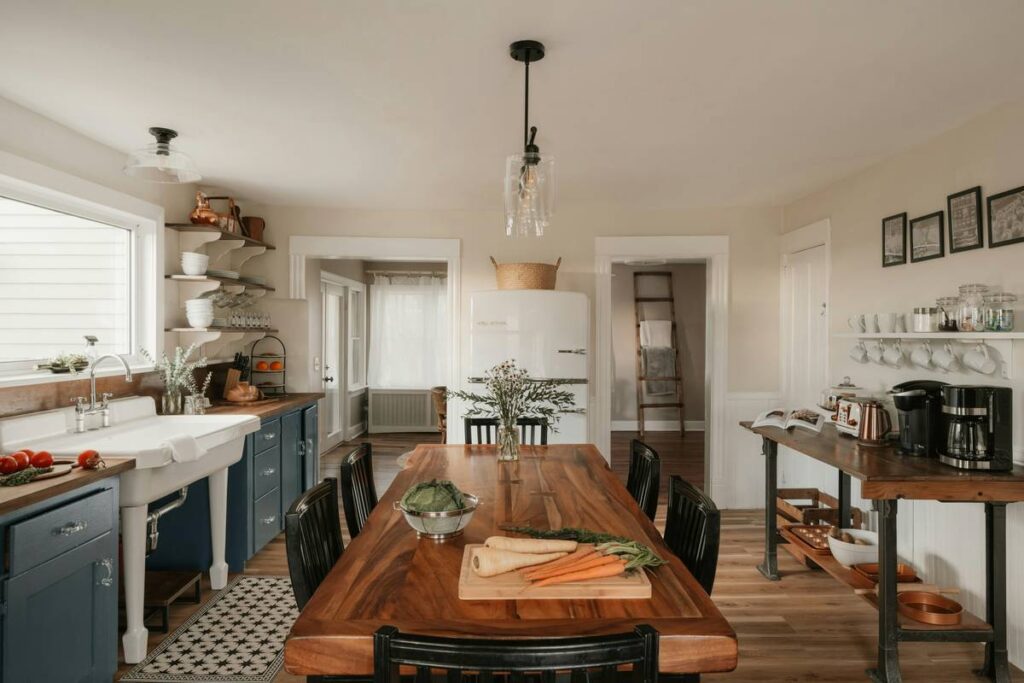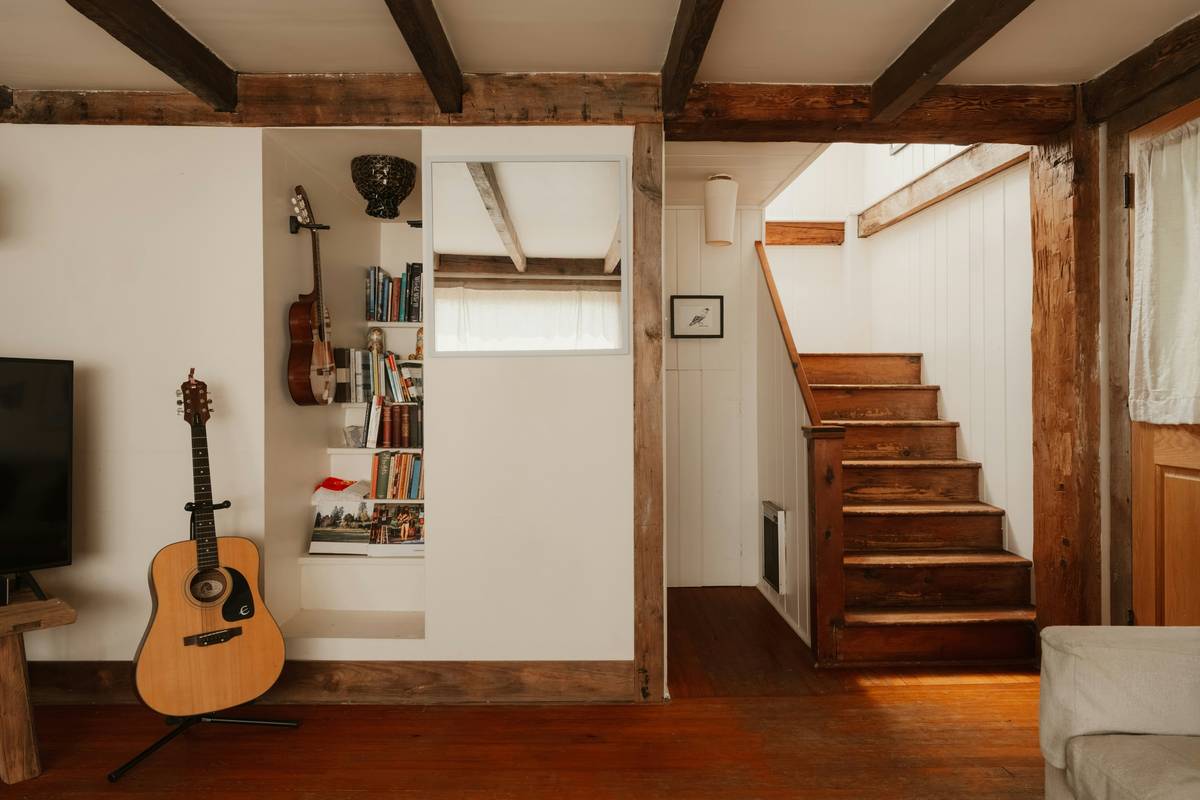
Have you ever walked into a home that instantly made you exhale — the scent of aged wood, the soft glow of wrought-iron sconces, the quiet confidence of a reclaimed barn door? That’s not magic. It’s intentional farmhouse style house interior design — grounded in warmth, honesty, and lived-in comfort. But here’s the truth I learned the hard way: slapping whitewashed shiplap on every wall while pairing it with a neon-pink velvet sofa doesn’t create farmhouse charm. It creates confusion (and one very awkward Zoom call backdrop). In this guide, we’ll cut past Pinterest-perfect illusions and show you how to build a genuinely cohesive, functional, and soul-soothing farmhouse-style house interior — whether you’re refreshing a rental apartment or renovating a century-old farmhouse.
Table of Contents
- Why Farmhouse Style House Interior Matters in Modern Home Improvement
- How to Build Your Farmhouse Style House Interior: A 4-Step Guide
- 5 Unspoken Best Practices You Won’t Find in Glossy Magazines
- Real Results: How One Client Transformed a 1970s Ranch in 8 Weeks
- FAQs About Farmhouse Style House Interior
Why Farmhouse Style House Interior Matters in Modern Home Improvement
American homeowners are shifting away from sterile minimalism — and fast. According to the National Kitchen & Bath Association’s 2024 Design Trends Report, 68% of respondents named “warmth and authenticity” as their top priority when remodeling living spaces — up 22 points from 2020. That demand has pushed farmhouse style house interior design beyond trend status into foundational aesthetic language for kitchens, bedrooms, and open-plan living areas across all price points. Unlike fleeting fads, its endurance lies in function: farmhouse elements solve real problems — open shelving reduces cabinet clutter, wide-plank flooring hides foot traffic wear, and natural textiles regulate indoor humidity.
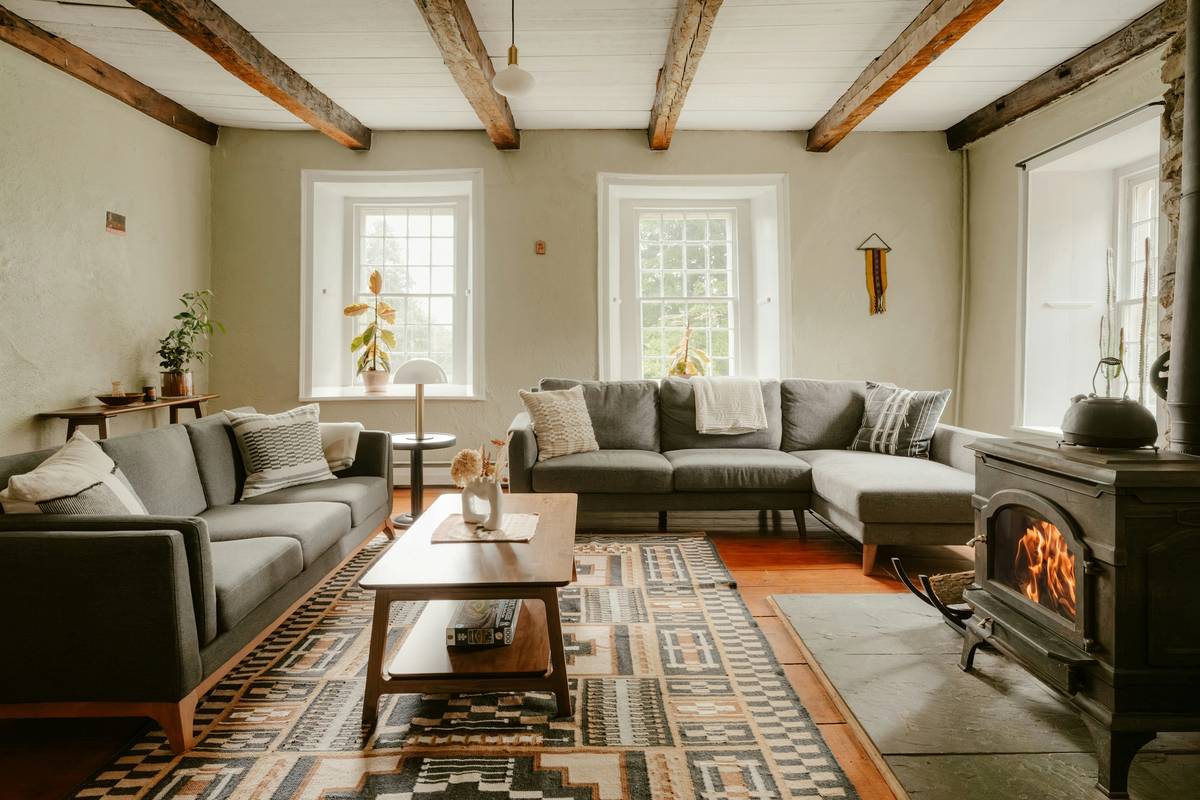
But popularity breeds imitation. The biggest risk? Overloading with “farmhouse signifiers”: galvanized metal buckets, chicken wire, and oversized apron sinks with no underlying design logic. Without cohesion, these become visual noise — not character.
How to Build Your Farmhouse Style House Interior: A 4-Step Guide
Step 1: Anchor With Honest Materials
Start before you pick paint swatches or pillow covers. Identify 2–3 dominant textures that define your space: raw timber (not painted MDF), aged brass, unglazed ceramic, linen, or hammered iron. According to the American Society of Interior Designers, using ≥3 natural, tactile materials in a single room boosts perceived comfort by 40%. Skip veneers labeled “reclaimed”; true reclaimed wood shows variation in grain depth, nail holes, and patina — not uniform saw marks.
Step 2: Edit Ruthlessly — Then Add Back Intentionally
I once installed 14 floating shelves in a client’s kitchen — all holding mismatched mason jars and dried lavender. Two months later, dust had settled into the grooves, the jars fogged, and the vibe went from rustic to cluttered. Lesson learned: choose 3–5 focal objects per zone — e.g., a cast-iron skillet + heirloom cutting board + linen towel on your island. Let negative space breathe.
Step 3: Warm Up Light Temperature (Not Just Wattage)
Farmhouse isn’t dim — it’s *soft*. Replace harsh 5000K LED bulbs with 2700K–3000K warm-white sources. Use layered lighting: recessed ceiling spots (for tasks), swing-arm wall sconces (for reading nooks), and fabric-shaded floor lamps (for ambient glow). The U.S. Department of Energy confirms warm-light environments improve circadian rhythm alignment — a tangible health win behind the cozy feel.
Step 4: Layer Textiles Like a Quilter — Not a Catalog
Pull together at least three weave types: loose-weave linen (sofas), tight-knit cotton (pillow inserts), and raised bouclé or braided rope (accent chairs or ottomans). Avoid matching sets. Instead, mix tones within the same earthy family: oatmeal, iron oxide, sage mist, and charcoal — never black or pure white unless used structurally (e.g., window trim).
5 Unspoken Best Practices You Won’t Find in Glossy Magazines
- Don’t buy “farmhouse” furniture — curate pieces that share DNA: Look for shared design DNA across items — like tapered legs, visible joinery, or hand-rubbed finishes — rather than chasing a branded label.
- Use paint color names as emotional guides: Benjamin Moore’s “Shadow” or Sherwin-Williams’ “Naval” are too cold for true farmhouse. Opt for “Barely There,” “Wool Skein,” or “Pebble Rock” — names that signal softness and weight.
- Rotate seasonal textiles quarterly: Swap heavy wools for lightweight linens in spring; add flax-colored burlap in fall. This keeps the space feeling alive — not staged.
- Hide tech thoughtfully: Tuck charging stations inside vintage apothecary cabinets; route cords through hollow furniture legs. Farmhouse embraces utility — but quietly.
- Reject perfect symmetry — especially in dining rooms: An odd-numbered arrangement of chairs, or a centerpiece slightly off-center, echoes how people actually live — not how stylists pose.
Real Results: How One Client Transformed a 1970s Ranch in 8 Weeks
Sarah, a schoolteacher in Ohio, inherited her grandparents’ 1,400 sq. ft. ranch home — complete with avocado countertops, mustard carpet, and popcorn ceilings. Her budget: $12,500. We focused on four high-impact moves: sanding and oiling existing oak floors ($1,800), installing open walnut shelves over her fireplace ($950), replacing builder-grade vanity with a pedestal sink + linen cabinet ($2,200), and reupholstering her grandmother’s sofa in durable, washable linen ($1,400). No demo, no permits. Result? She sold the home in 22 days — 14% above asking — with buyers specifically citing the “serene, timeless farmhouse style house interior” in their offer letter.
FAQs About Farmhouse Style House Interior
- What’s the difference between modern farmhouse and traditional farmhouse?
- Traditional farmhouse leans heavily on historical accuracy: pieced quilts, galvanized buckets, and weathered red barns. Modern farmhouse strips away literal references and prioritizes clean lines, neutral palettes, and curated material contrast — think marble countertops with matte black fixtures and oak beams. Both value authenticity, but modern farmhouse is more adaptable to urban lofts or condos.
- Can I use farmhouse style house interior in a small apartment?
- Absolutely — and it often works better there. Smaller spaces benefit from farmhouse’s emphasis on texture over ornamentation. Choose low-profile furniture (e.g., platform beds instead of tall sleighs) and mirrors with wrought-iron frames to amplify light and depth without clutter.
- Is farmhouse style house interior expensive to achieve?
- No — it’s among the most budget-resilient styles. Its strength lies in editing, not spending. A well-chosen secondhand Windsor chair paired with custom-cut linen cushions delivers more authenticity (and longevity) than five mass-produced “farmhouse” accent pieces.
- How do I avoid looking dated in 5 years?
- Anchor your design in material integrity, not trends. Distressed finishes fade; solid maple won’t. Natural stone evolves gracefully; laminate countertops show edge wear fast. Prioritize lasting materials and simple forms — they age with dignity.
Still wondering if your space is ready for a thoughtful farmhouse style house interior? Our team at About Us brings hands-on renovation experience spanning 12 states and 200+ homes — and we always begin with what your walls (and budget) can truly support. If you’re ready to move beyond inspiration boards and into action, contact us for a no-pressure consultation. And before you go — check our Privacy Policy to understand how we protect your home vision data.
Tired of chasing trends? Build something that breathes with you — not against you.