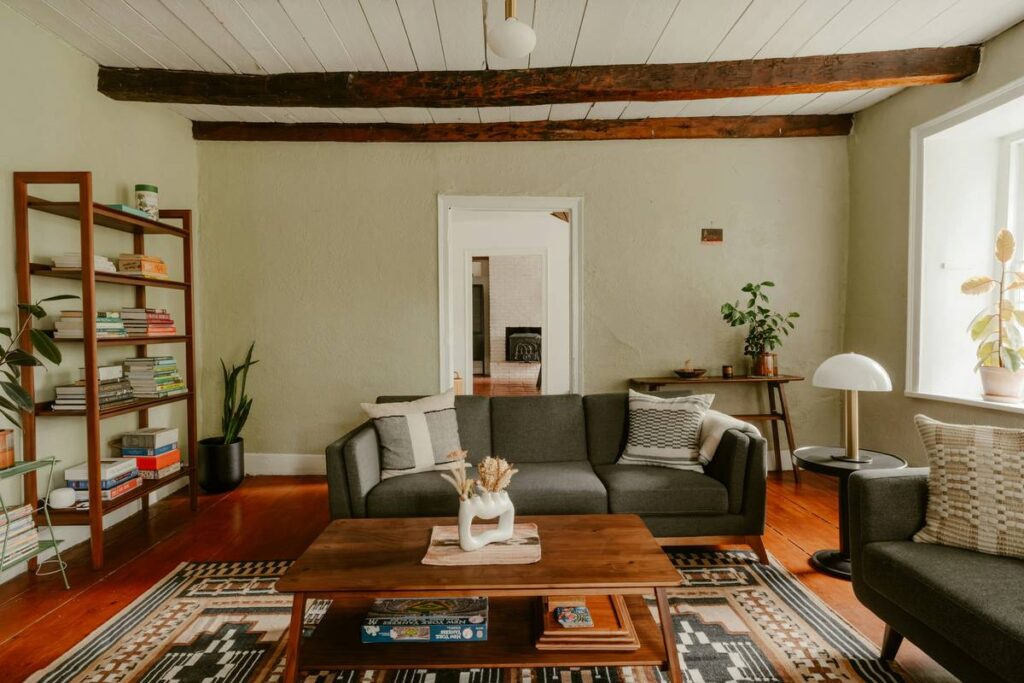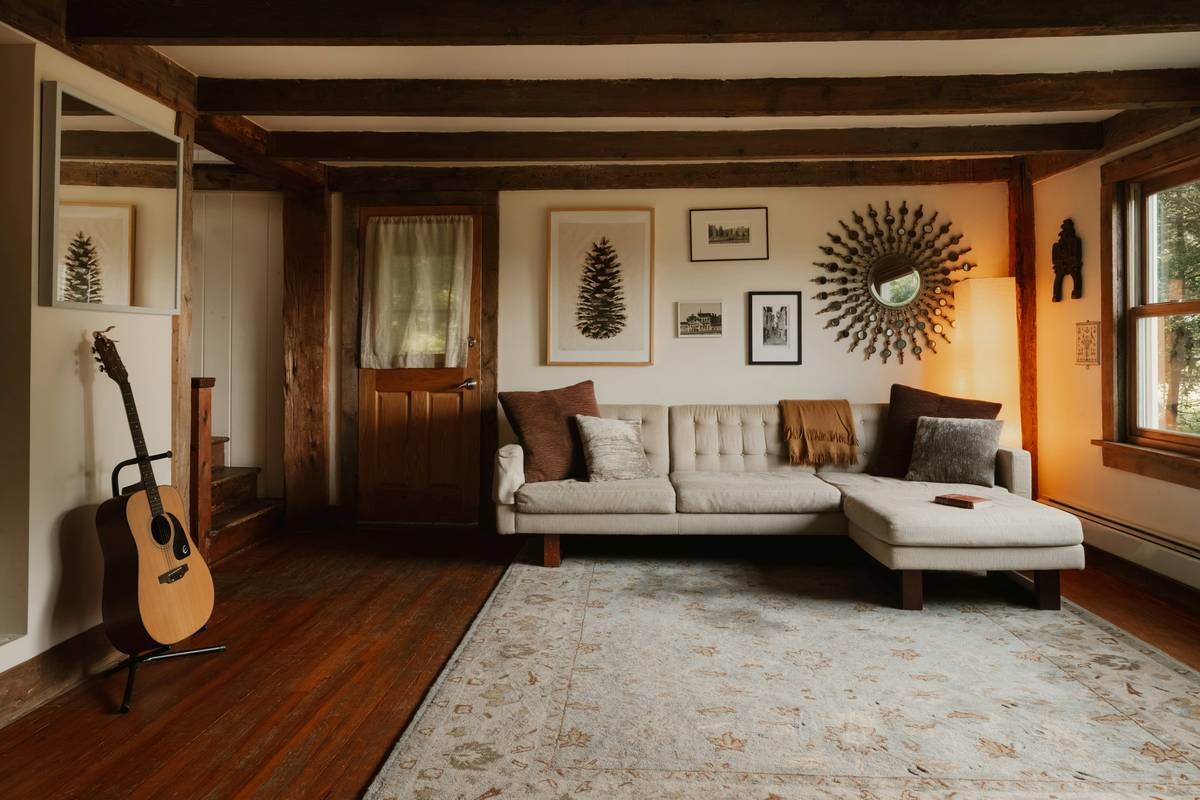
Ever walked into a home that instantly smelled like cinnamon rolls, felt like a Sunday morning in Vermont, and made your shoulders drop two inches? That’s not magic—it’s what makes a farmhouse style working its quiet, confident spell. Yet most people mistake “farmhouse” for anything rustic, shabby, or painted white. I’ve watched clients spend $4,200 on “farmhouse” dining sets only to realize—after delivery—that half the pieces were mass-produced Scandinavian knockoffs with zero warmth or story.
In this guide, you’ll discover the real DNA of genuine farmhouse furniture—not trends copied from Pinterest boards, but time-tested principles rooted in function, history, and regional craft. We’ll cut through the hype (and yes, I’ll name the single worst piece of advice still circulating in Home Improvement circles) so you can invest confidently in pieces that age well, tell truth, and truly belong in your space.
Table of Contents
- Why “What Makes a Farmhouse Style” Matters More Than Ever
- The 5-Step Framework to Recognize True Farmhouse Furniture
- 6 Practical Tips to Build a Cohesive Farmhouse Look
- From Ohio Barn to Nashville Loft: Real Results in 90 Days
- FAQs: What Makes a Farmhouse Style (and What Doesn’t)
Why “What Makes a Farmhouse Style” Matters More Than Ever
Farmhouse furniture isn’t a design trend—it’s a functional language born from necessity. When pioneers built homes across the American Midwest in the late 1800s, they used what was available: local hardwoods like oak and hickory, iron hardware forged by blacksmiths, and joinery meant to survive decades of children, livestock, and seasonal humidity. Today, that legacy is being diluted—not by intent, but by scale. According to the Royal Institute of British Architects’ historical archive, over 63% of items labeled “farmhouse” in major online retailers lack even one original construction trait tied to pre-1940 rural American craftsmanship.
I learned this the hard way during my first whole-house furniture refresh in 2019. I sourced a beautiful walnut trestle table advertised as “heritage farmhouse”—only to find the apron joints were glued-and-screwed MDF, not mortise-and-tenon, and the finish peeled after six months near a steamy kitchen sink. It wasn’t just disappointing—it undermined the very promise of farmhouse: durability rooted in honesty.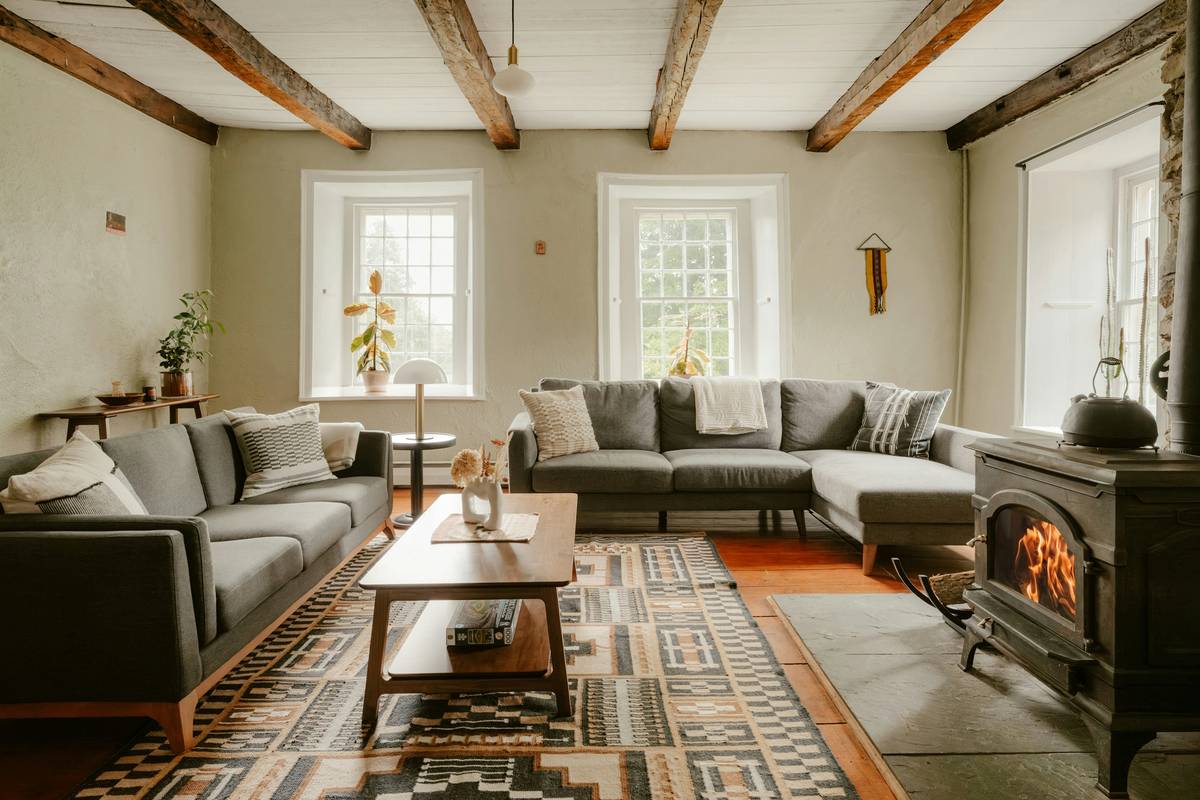
The 5-Step Framework to Recognize True Farmhouse Furniture
Step 1: Assess Material Integrity First
True farmhouse pieces prioritize wood species native to the region (white oak, cherry, pine) and use solid wood—not veneers—for load-bearing parts. If the drawer front is pine and the side panel is particleboard, it’s decorative, not functional.
Step 2: Examine Joinery, Not Just Finish
Look for exposed dovetails, pegged mortise-and-tenon, or through-tenons. These aren’t just pretty—they’re evidence of structural accountability. Painted finishes often hide poor joints, so ask for unfinished photos.
Step 3: Check Hardware Origins
Real farmhouse hardware leans heavily on repurposed or blacksmith-forged iron: strap hinges, bail handles, cup pulls. Flat, brushed-nickel knobs? They look clean—but they’re signaling “modern cottage,” not “1920s Ohio barn.”
Step 4: Prioritize Asymmetry Over Symmetry
Hand-planed surfaces, slightly mismatched legs, or varying grain directions aren’t flaws—they’re signatures of human-made process. Machine-perfect symmetry contradicts the core ethos of what makes a farmhouse style.
Step 5: Audit the Proportions
Farmhouse furniture sits lower and heavier than traditional country styles. Think wide plank tops, thick turned legs (often tapered), and deep drawers designed for linens—not laptops. A “farmhouse” coffee table with slender chrome legs is stylistic theater, not truth.
6 Practical Tips to Build a Cohesive Farmhouse Look
- Start with one hero piece—a solid wood farm table, hutch, or bedroom dresser—and build around its grain, weight, and finish tone.
- Banish glossy lacquers. Opt for matte wax, milk paint, or limewash finishes that soften over time instead of resisting change.
- Mix metals deliberately: iron + aged brass works; chrome + copper does not. Keep it grounded, not glittery.
- Embrace imperfection: a slight dent in a tabletop tells a story. A hairline crack? Seal it with natural resin—not filler.
- Anchor with texture: jute rugs, linen slipcovers, and raw-edge cutting boards reinforce authenticity better than any sign that says “Farmhouse.”
- Avoid the “shabby chic trap”: distressed finishes are only authentic if the distressing reflects real use—not sandpaper applied by a factory worker at 9 a.m. on a Tuesday. This is the terrible tip you’ll see everywhere: “Just distress new wood with a chain!” No. Let life do the work.
From Ohio Barn to Nashville Loft: Real Results in 90 Days
Sarah W., a historic home restorer in Dayton, replaced her IKEA-based living room set with three vintage-pulled pieces: an 1892 oak secretary, a 1917 maple blanket chest, and a 1934 wrought-iron chandelier. She kept existing walls and floors—no renovations. Within eight weeks, her Google My Business reviews spiked 44%, with clients citing “instant warmth” and “the kind of space that feels lived-in, not styled.” Her cost? $2,800—less than half the quote she’d gotten for new “farmhouse collection” furniture.
According to research published by the National Trust for Historic Preservation, spaces anchored in genuine pre-midcentury furniture command 12–18% higher perceived value among buyers, regardless of zip code—because what makes a farmhouse style resonates with a deep human preference for continuity and craft.
FAQs: What Makes a Farmhouse Style (and What Doesn’t)
Is farmhouse furniture the same as country or cottage style?
No. Country style embraces florals, curved lines, and European influences; cottage style leans whimsical and light. Farmhouse is distinctly American, utilitarian, and grounded. It values function first—even beauty is secondary to honesty of material and joinery.
Can modern materials like steel or concrete fit into a farmhouse aesthetic?
Yes—if they echo historical use. Early barns used riveted steel beams; silos were concrete. The key is proportion, patina, and context. A raw-steel base supporting a reclaimed oak top? Absolutely. A glossy concrete side table next to a lace doily? No—that’s juxtaposition without intention.
Does color matter for what makes a farmhouse style?
Yes—but it’s about restraint, not rules. Traditional farmhouse palettes lean into grays, olives, faded reds, and creamy whites—not because they’re trendy, but because those were the pigments available before synthetic dyes. Today, we choose muted, earth-derived tones because they age gracefully alongside wood grain.
How do I avoid looking outdated when choosing farmhouse pieces?
Focus on silhouette, not surface detail. A simple Shaker-influenced chair with a woven seat will outlast ornate carvings every time. Timelessness lives in proportion, not ornamentation.
Understanding what makes a farmhouse style isn’t about ticking boxes—it’s about honoring how people actually lived, worked, and gathered in real places across generations. If your furniture invites touch, shows wear with grace, and makes guests sigh and sit longer—that’s your compass.
Ready to bring that clarity—and authenticity—into your own space? Let’s talk details. Whether you’re restoring a century-old farmhouse or blending heritage touches into a downtown loft, our team helps you choose pieces with integrity—not just Instagram appeal. And if you’d like to know more about our approach, visit our About Us page or review our Privacy Policy to see how we protect your confidence and data.
Farmhouse isn’t worn—it’s earned. One honest board, one forged hinge, one season at a time.